EN
EN SP
SP FR
FR
- Home
- About Us
- Products
- Service
- Project
- News
- Contact Us
Pulished on Sep. 04, 2023
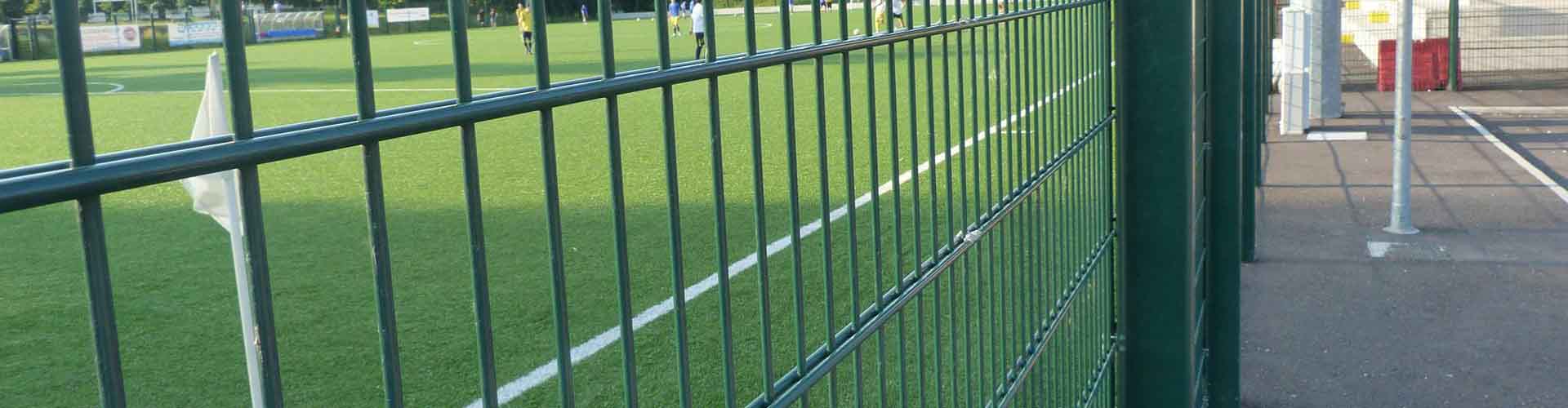
Fire safety in industrial environments is critical, especially where different areas need to be separated and protected. As a common type of guardrail, 3D fence is widely used in industrial environments. This article will explore the fire performance of 3D fences in industrial environments, as well as their role and advantages in preventing fires and controlling the spread of fire.
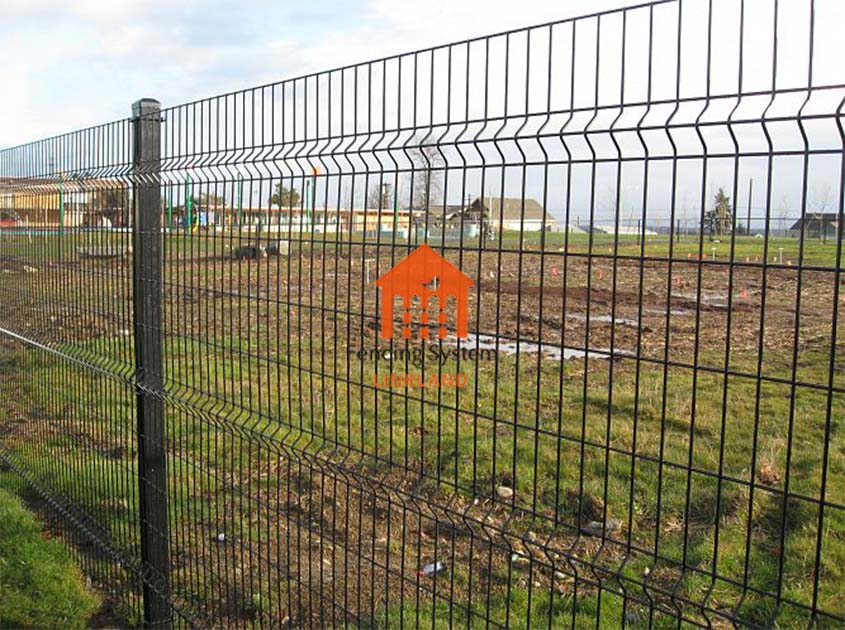
3D fence fireproof structure and material
3D fence has special structural design and material selection to provide better fire performance. The structure of the guardrail usually consists of multiple three-dimensional shaped units, usually with gaps between these units to facilitate ventilation and smoke discharge. In addition, 3D fences are often manufactured with fire-resistant materials, such as refractory metals or synthetic materials with good fire-resistant properties, to provide additional fire protection.
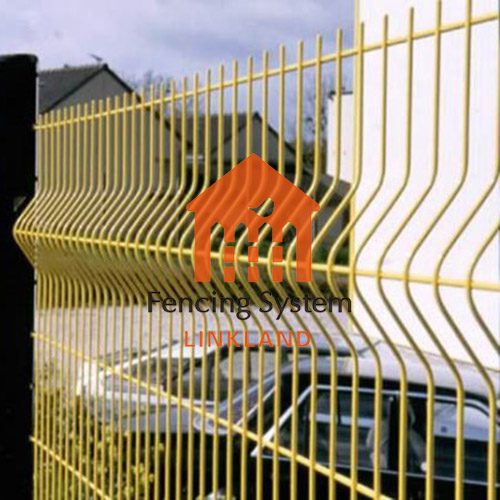
Fire protection function and performance of 3D fence
The fire protection function and performance of 3D fence in industrial environment can be reflected in many aspects. First, the structure and material of the 3D fence can prevent the penetration of flames and sparks, and reduce the possibility of fire spreading. Second, the gap design of the guardrail can help control the spread of smoke and heat, reducing the impact of the fire on the surrounding environment. In addition, 3D fences can also provide better visibility and easy evacuation channels to increase personnel safety.
Applications and best practices of 3D fences in industrial environments
In industrial environments, 3D fences can be widely used in fire separation, channel delineation and equipment protection. To ensure optimum fire performance, there are some best practices that should be followed. For example, the installation of guardrails should comply with relevant safety standards and regulations, and the status of guardrails should be checked and maintained regularly to ensure that their fire protection functions are normal. In addition, when designing and selecting 3D fences, you should consider the fire protection requirements of specific industrial environments and consult with professionals.
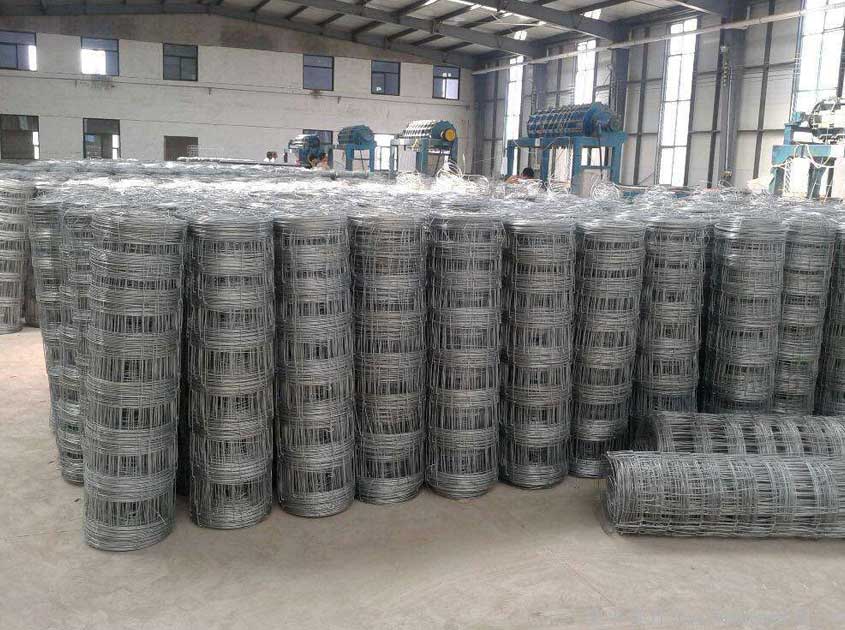
How to Choose Farm Fence for Cattle and Horses: Wire, Height and Design Guide
Pulished on Sep. 23, 2026
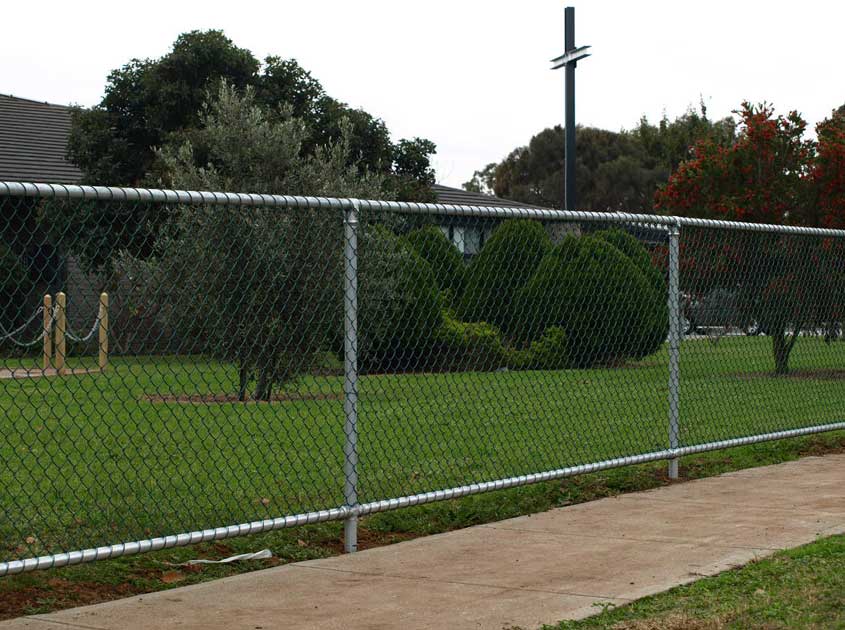
How Is Chain Link Fence Made? Manufacturing Process and Components
Pulished on Sep. 18, 2026
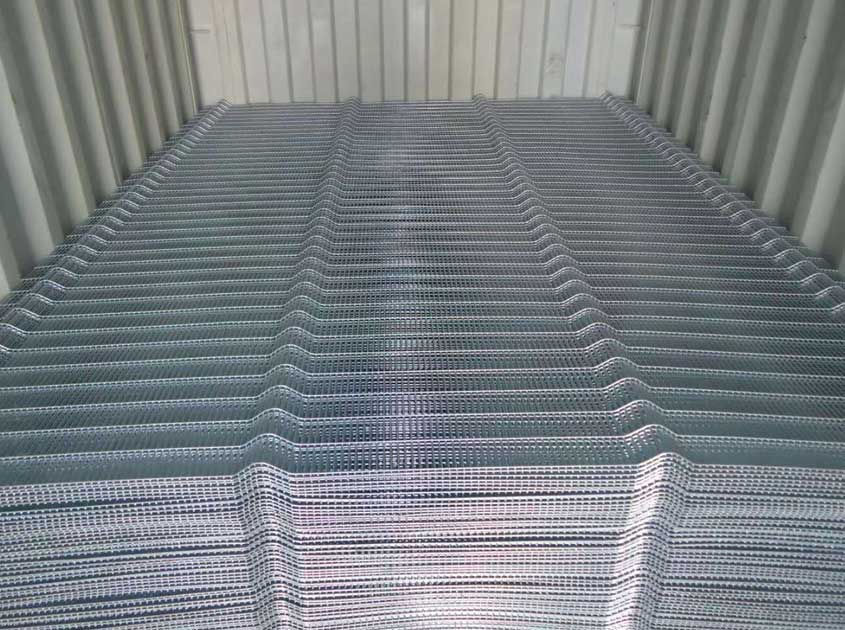
358 Security Fence vs Chain Link Fence: Security, Cost and Application Comparison
Pulished on Sep. 15, 2026
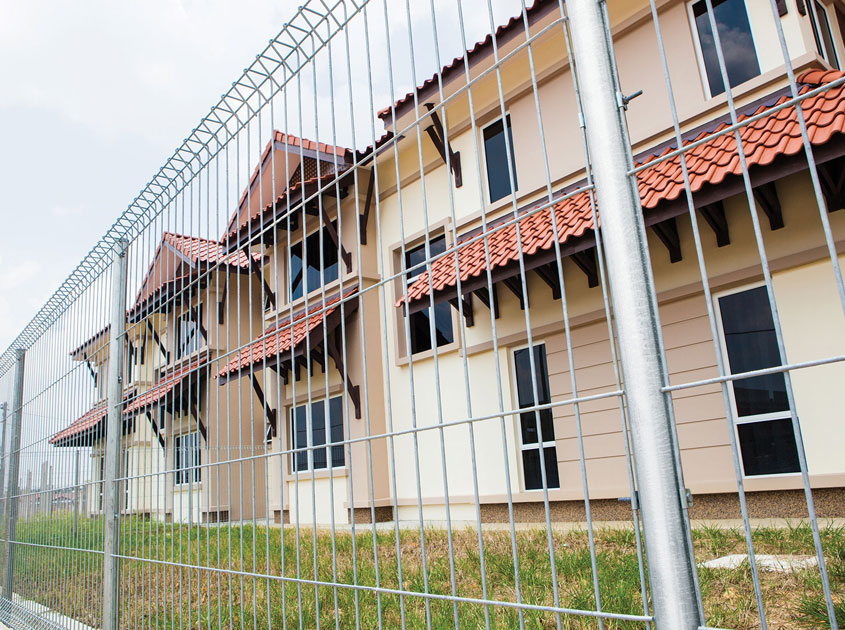
Why Choose Welded Wire Fence for Security and Protection?
Pulished on Sep. 07, 2026
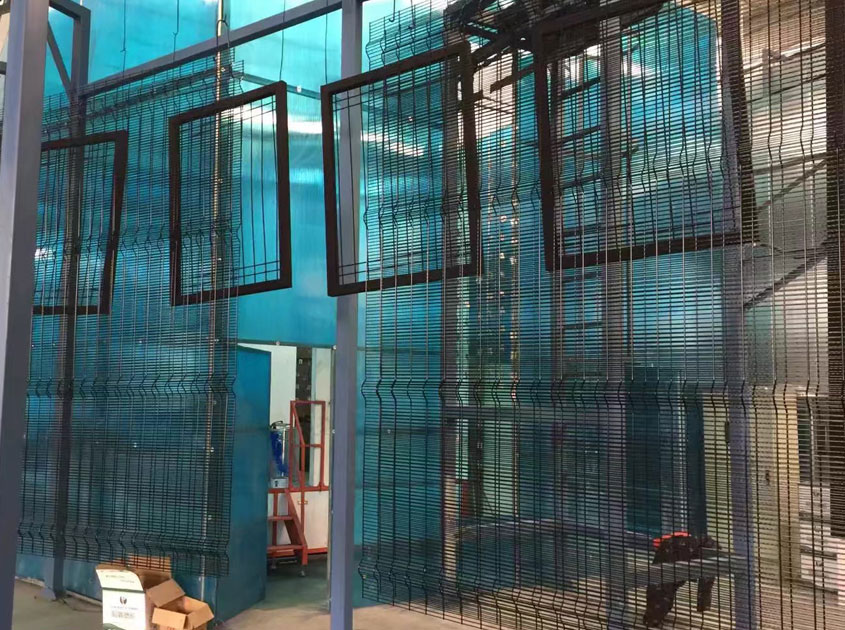
358 Security Fence Specifications and Applications Guide
Pulished on Aug. 27, 2026
What Is Farm Fence and What Are the Main Types?
Pulished on Aug. 26, 2026
Welded Wire Fence Types, Sizes and Applications Guide
Pulished on Aug. 20, 2026
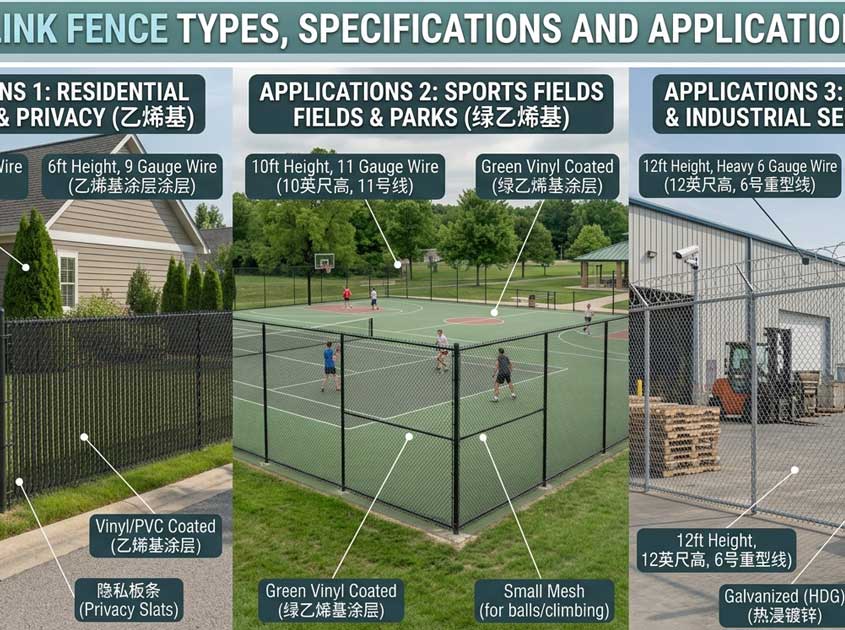
Chain Link Fence Types, Specifications and Applications Guide
Pulished on Aug. 12, 2026
How to Choose Farm Fence for Cattle and Horses: Wire, Height and Design Guide
Pulished on Sep. 23, 2026
How Is Chain Link Fence Made? Manufacturing Process and Components
Pulished on Sep. 18, 2026
358 Security Fence vs Chain Link Fence: Security, Cost and Application Comparison
Pulished on Sep. 15, 2026
Why Choose Welded Wire Fence for Security and Protection?
Pulished on Sep. 07, 2026
358 Security Fence Specifications and Applications Guide
Pulished on Aug. 27, 2026
What Is Farm Fence and What Are the Main Types?
Pulished on Aug. 26, 2026
Welded Wire Fence Types, Sizes and Applications Guide
Pulished on Aug. 20, 2026
Chain Link Fence Types, Specifications and Applications Guide
Pulished on Aug. 12, 2026